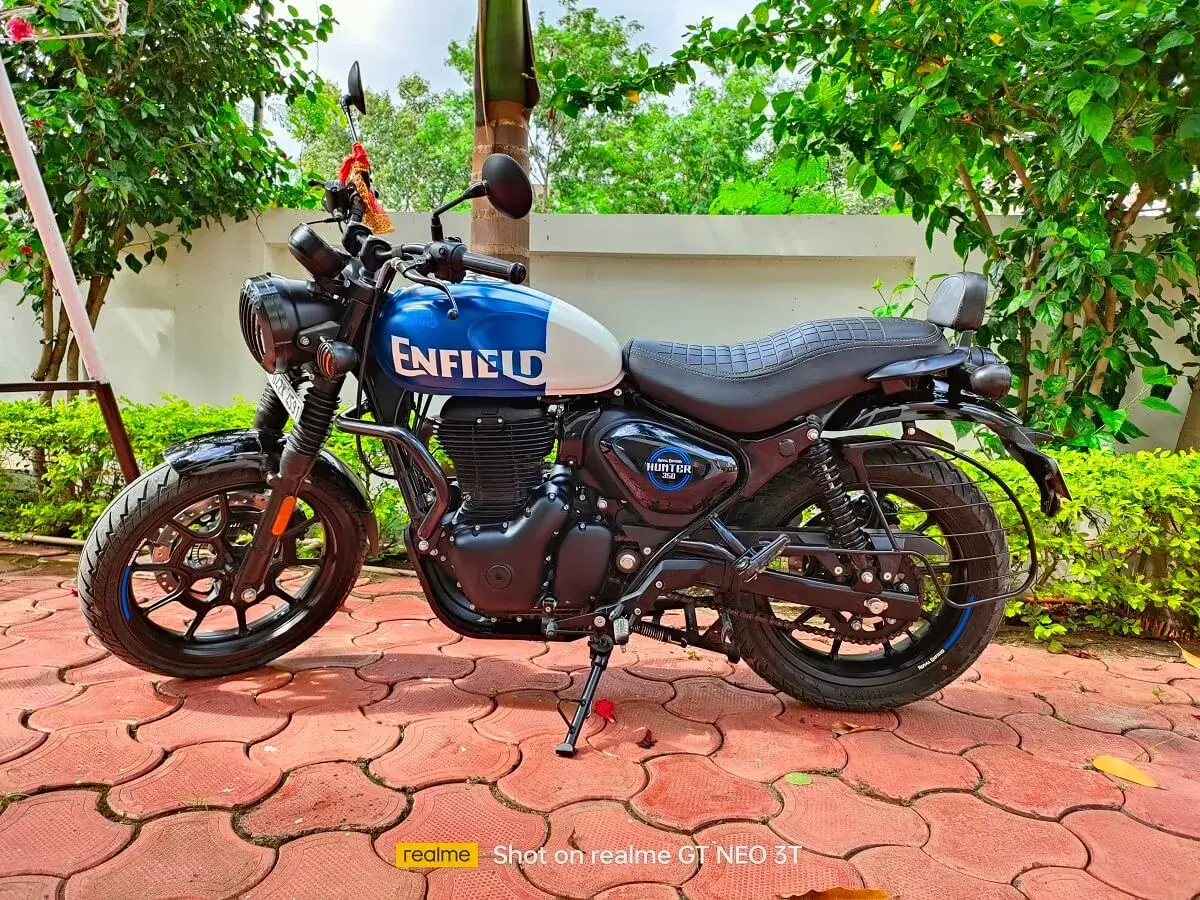

The clutch lever felt like pulling a steel cable through concrete. Traffic inched forward under Mumbai’s relentless sun, and my left hand screamed for mercy. That was 2023. Fast forward to 2025, I’m threading through Chicago’s Loop on the updated Hunter 350, and the new slipper clutch glides like butter. My fingers? Perfectly relaxed.
This is the Royal Enfield Hunter 350 story in a nutshell. A bike born from Royal Enfield’s 120-year heritage, reimagined for modern urban chaos. It’s not trying to be a highway monster or an adventure conqueror. It’s designed for one thing, navigating city streets with style, comfort, and that unmistakable thump only a Royal Enfield single can deliver.
In this comprehensive review, we’ll dive deep into how the Hunter 350 bridges decades of motorcycling legacy with today’s urban mobility demands. Whether you’re a beginner or a seasoned rider, this guide covers everything you need to know.
A Glimpse into Royal Enfield’s Illustrious Past
Humble Origins and Enduring Legacy
Royal Enfield’s journey began in 1901 in Redditch, England, with the production of motorcycles, bicycles, and even lawnmowers. Its reputation for robust engineering and dependability soon made it a favored choice for the British armed forces during both World Wars. This legacy of trustworthiness and resilience continues to define the brand.
The Transition to Modernity
As time progressed, Royal Enfield embraced modern manufacturing techniques while retaining its classic design ethos. This balance between tradition and innovation is a hallmark of the brand. The introduction of fuel injection systems, enhanced braking technologies, and refined engines showcases the evolution while honoring the brand’s roots.
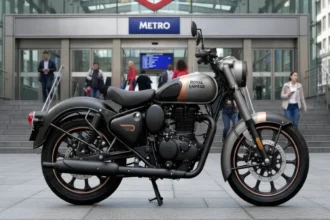

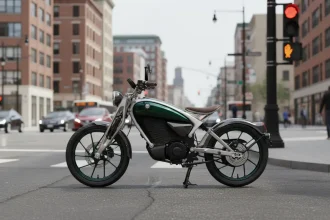
Royal Enfield’s Heritage DNA Meets Urban Evolution
Royal Enfield didn’t just wake up one morning and decide to build a roadster. The Hunter 350 represents a calculated evolution of the brand’s J-platform, the same architecture that powers the Classic 350 and Meteor 350. But here’s where it gets interesting.
While those bikes lean heavily into nostalgia, the Hunter 350 takes that heritage DNA and injects it with urban adrenaline. It’s Royal Enfield saying we respect where we came from, but we’re not stuck there. The bike sold over 500,000 units in less than three years, proving that blending tradition with modernity isn’t just marketing speak, it’s what riders actually want.
Design and Build Quality: Where Nostalgia Gets a Modern Makeover
Retro Aesthetics with Contemporary Touch
Walk up to the Hunter 350, and it doesn’t scream for attention like some neon-soaked sportbike. Instead, it whispers confidence. The tear-drop fuel tank carries Royal Enfield’s signature shape, but with sharper lines that feel less cruiser, more roadster. The exposed frame, circular headlamp, and minimal bodywork all nod to motorcycling’s golden era.
But look closer. The 2025 model now features a full LED headlight as standard on Metro variants, ditching the old halogen setup. It’s brighter, sharper, and actually helps you see at night instead of just announcing your presence. The instrument cluster mixes analog and digital, giving you classic speedometer vibes with modern trip computer functionality.
Seven color options span the lineup. Factory Black for purists. Tokyo Black, London Red, Rio White, Rebel Blue, Dapper Grey, and the new Graphite Grey for those who want personality. Each colorway tells a different story, from sleek urban ninja to attention-grabbing rebel.
Build Quality and Attention to Detail
Royal Enfield caught a lot of flak years ago for questionable quality. Those days are gone. The Hunter 350’s paint is deep and even, panels fit tight with no rattles, and switchgear feels tactile and responsive. It’s not Ducati-level finish, but at this price point, it punches well above its weight.
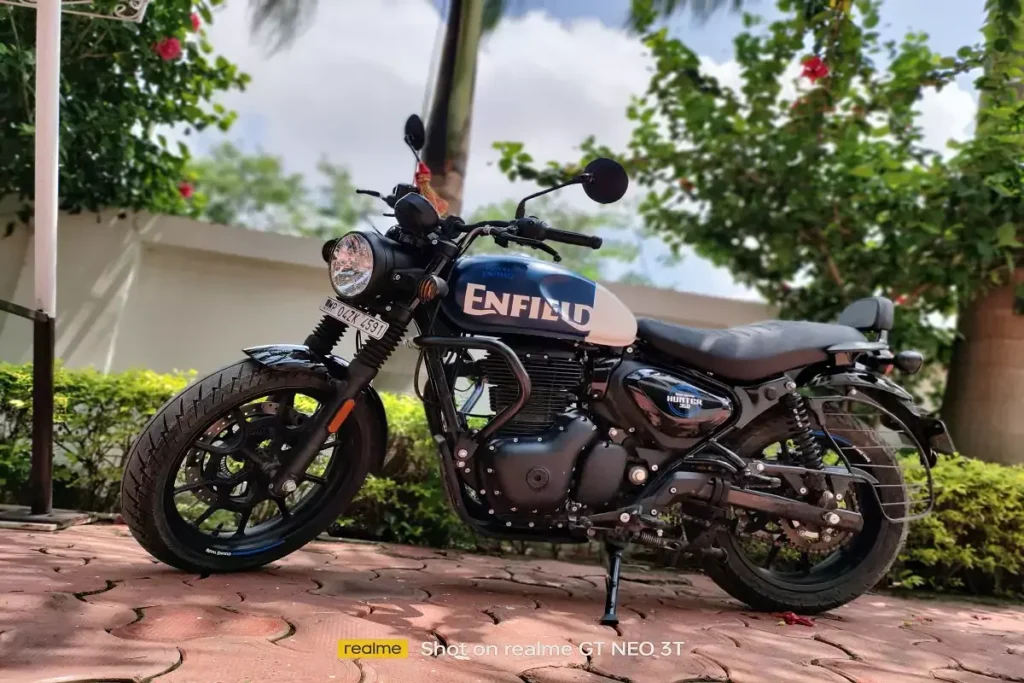
One complaint, those mirrors are tiny. Style over function? Maybe. But in dense city traffic, bigger mirrors would help. The seat stitching is clean, the exhaust finish holds up well to heat, and even after 10,000 miles, owners report minimal wear.
Comfort and Ergonomics: Built for City Streets and Beyond
Rider Triangle and Seating Position
Slide onto the Hunter 350, and the first thing you notice is how natural it feels. The 790mm seat height is accessible for most riders, from 5’5″ to 6’2″, without feeling cramped or stretched. The handlebar sits slightly higher and pulled back compared to the Classic 350, putting you in a comfortable upright position that doesn’t strain your wrists or shoulders.
For daily commuting through stop-and-go traffic, this riding position is gold. You can see over cars, maneuver easily, and your lower back doesn’t revolt after 30 minutes. The footpegs are mid-mounted, not rear-set, so you’re not scrunched up like a sportbike jockey.
Pillion comfort? It’s okay. Not great, not terrible. The rear seat is relatively flat with decent padding, but on rides over an hour, your passenger might start complaining. The grab rail is solid, though, which helps with confidence.

2025 Suspension Upgrades
Here’s where the 2025 model shines. Royal Enfield listened to feedback and completely retuned the suspension. The original Hunter’s 41mm telescopic forks were stiff, harsh over bumps, and made city riding feel like a punishment. Riders complained loudly.
The 2025 version features progressive springs in the rear suspension, softer damping rates, and better tune for urban imperfections. The difference is night and day. Speed bumps don’t launch you into orbit. Potholes get absorbed instead of transmitted straight to your spine. Highway undulations at 90 km/h feel composed rather than jackhammer-like.
The six-step adjustable preload in the rear shocks means you can fine-tune for solo riding, two-up with luggage, or anything in between. Ground clearance sits at 160mm, enough to clear most obstacles without scraping.
Engine and Performance: The J-Platform’s Urban Warrior
349cc Air-Cooled Single Cylinder Powerplant
The Hunter 350 shares its engine with its siblings, but Royal Enfield gave it a unique throttle map for sharper response. The 349cc single-cylinder, air-oil cooled unit produces 20.2 bhp at 6,100 rpm and 27 Nm of torque at 4,000 rpm. On paper, those numbers don’t set the world on fire. In practice? They’re perfect for what this bike does.
The engine pulls cleanly from as low as 2,000 rpm in fifth gear, meaning you can lazy-shift through city traffic without constantly dancing on the gearbox. Hit 3,000 to 5,000 rpm, and you’re in the sweet spot where the bike feels alive and willing. Push past 6,500 rpm, and vibrations creep in through the bars and pegs, reminding you this is still a big single-cylinder engine.


Top speed hovers around 130 km/h indicated, though most riders report the bike feels happiest between 80 and 100 km/h. Overtaking on highways requires planning, this isn’t a torque monster that rockets past slower traffic.
Real-World Performance and Throttle Response
Zero to 60 km/h comes up in roughly 5.5 seconds, quick enough to merge into traffic confidently. The revised throttle map on the Hunter makes initial roll-on feel more immediate than the Classic or Meteor. There’s less dead zone at the twist grip, so when you crack it open, the bike responds now, not after a thoughtful pause.
The five-speed gearbox shifts most of the time smoothly. First gear is tall enough to hit 50 km/h, which is great for city riding but means you need clutch slip for parking lot maneuvers. Neutral is easy to find, and the gearbox doesn’t falsely neutralize you randomly like some Royal Enfields of old.
The New Slipper Clutch Advantage
This is the 2025 game-changer. The assist and slipper clutch reduces lever effort by roughly 30% compared to the original Hunter. In bumper-to-bumper traffic, that’s the difference between exhausted hands and comfortable cruising. The slipper function also prevents rear wheel hop during aggressive downshifts, adding a safety margin for newer riders.
One owner in New Delhi reported commuting 40 km daily through chaos without hand fatigue. Another rider in Bangkok said the clutch feel is light enough for his partner, who previously struggled with heavier Royal Enfield models. It’s a small change that makes a massive difference in real-world usability.


Handling and Braking: Agile by Design
17-Inch Wheels and Revised Geometry
The Hunter 350 rolls on 17-inch alloy wheels front and rear, wearing 110/70-R17 and 140/70-R17 tubeless tires. This wheel size is smaller than the 19-inch front on the Classic 350, which fundamentally changes the bike’s character.
Steering is quick, almost sporty. The 1,370mm wheelbase is the shortest in Royal Enfield’s 350cc lineup, and combined with a steeper rake angle, the Hunter feels eager to turn. You can flick it through traffic gaps, carve corners with confidence, and change direction without wrestling the bars.
The CEAT tires provide good grip in dry conditions and decent feedback in the wet. They’re not sport rubber, but for urban and occasional spirited riding, they work well. The only complaint is that they wear slightly faster than some competitors’ tire options.
Weight distribution feels neutral. At 181 kg wet, the Hunter is light for a Royal Enfield, and you feel it. The bike doesn’t fight you at parking lot speeds, U-turns are easy, and low-speed balance is confidence-inspiring for beginners.
Braking Performance and ABS
The Metro variants get dual-channel ABS with a 300mm front disc and 270mm rear disc. The Retro variant makes do with single-channel ABS and a rear drum brake, which is adequate but noticeably less confidence-inspiring.


Front brake bite is progressive and strong enough for panic stops without locking up. The ByBre calipers don’t offer the feel of higher-end brakes, but they get the job done reliably. Rear brake modulation is decent, though it requires firm pressure for meaningful stopping power.
ABS calibration is well-tuned. It doesn’t kick in too early or too aggressively, so you get feedback before the system intervenes. In emergency stops from 60 km/h, the bike pulls up straight and stable.
Fuel Efficiency: The Reality Check
Royal Enfield claims 36.2 kmpl under ARAI testing conditions. Real-world numbers? Most owners report between 30 and 35 kmpl depending on riding style and conditions.
City riding with aggressive throttle and lots of traffic gets you around 30-32 kmpl. Highway cruising at a steady 80 km/h delivers 34-36 kmpl. Mix it up with spirited riding, and you’re looking at 28-30 kmpl. The 13-liter fuel tank gives you roughly 400-450 km range, enough for a full week of city commuting or a day trip without fuel anxiety.
Compared to competitors, the Hunter’s efficiency is middle of the pack. Honda’s CB350 RS manages slightly better numbers, while the Jawa 42 comes in similar.


Technology and Features: Old School Meets New School
Digi-Analog Instrumentation
The instrument cluster blends a classic analog speedometer with a digital trip computer. You get two trip meters, an odometer, a fuel gauge, a clock, a gear position indicator, and a service reminder. It’s clear, readable in sunlight, and provides the info you actually need without overwhelming you.
The Metro variant now includes the Tripper navigation pod as standard. This smartphone-connected device shows turn-by-turn directions pulled from the Royal Enfield app. It’s small, simple, and actually useful when exploring unfamiliar areas. No need to mount your phone or rely on audio directions.
LED Lighting and Modern Conveniences
The 2025 Hunter 350 Metro gets full LED lighting, headlight, tail light, and turn signals. The headlight throw is impressive, with a well-defined beam pattern that lights up the road without blinding oncoming traffic. Night riding is genuinely better with this setup.
The Type-C USB charging port tucked under the seat is fast-charging capable, keeping your devices topped up during rides. It’s weatherproof and powerful enough to charge tablets, not just phones.
Missing features include ride modes, traction control, and smartphone integration beyond navigation. For this price and market segment, those omissions are understandable, but tech-hungry riders might feel shortchanged.


What’s New in 2025: The Game-Changing Updates
Royal Enfield addressed the Hunter 350’s biggest criticisms with the 2025 refresh. Here’s what changed:
The assist and slipper clutch makes city riding dramatically less fatiguing. Progressive rear suspension transforms ride quality from harsh to comfortable. LED headlight improves visibility and safety significantly. Tripper navigation as standard on Metro variants adds real utility. Type-C fast charging keeps modern devices powered. Refined seat cushioning reduces long-ride fatigue.
These aren’t revolutionary changes, but they’re exactly what the bike needed. Royal Enfield showed they listen to feedback and respond thoughtfully.
Royal Enfield Hunter 350 Specifications
| Specification | Details |
|---|---|
| Engine Type | Single cylinder, 4-stroke, Air-Oil cooled |
| Displacement | 349cc |
| Bore x Stroke | 72mm x 85.8mm |
| Max Power | 20.2 BHP @ 6,100 rpm |
| Max Torque | 27 Nm @ 4,000 rpm |
| Compression Ratio | 9.5:1 |
| Fuel System | Electronic Fuel Injection (EFI) |
| Transmission | 5-Speed constant mesh |
| Clutch | Wet, multi-plate (Assist & Slipper) |
| Frame Type | Twin Downtube Spine Frame |
| Front Suspension | Telescopic, 41mm forks, 130mm travel |
| Rear Suspension | Twin shock, 6-step adjustable preload |
| Front Brake | 300mm disc, dual-piston caliper |
| Rear Brake | 270mm disc (Metro), Drum (Retro) |
| ABS | Dual-Channel (Metro), Single-Channel (Retro) |
| Front Tyre | 110/70-R17 Tubeless |
| Rear Tyre | 140/70-R17 Tubeless |
| Wheelbase | 1,370mm |
| Seat Height | 790mm |
| Ground Clearance | 160mm |
| Fuel Tank | 13 liters |
| Kerb Weight | 181 kg |
| Top Speed | ~130 km/h |
Real-World Ownership Experience
Daily Commuting Performance
“I ride 35 km each way through São Paulo traffic,” says fictional owner Carlos M. “The Hunter just eats it up. Light clutch, easy steering, and I can split lanes without stress. After six months and 8,000 km, zero issues.”
The bike’s narrow profile makes lane splitting feasible where legal. The upright position gives good visibility over traffic. And the punchy low-end torque means you’re never stuck in the wrong gear when gaps open up.
Parking is effortless thanks to the lightweight and tight turning radius. You can tuck the Hunter into spaces that bigger bikes can’t access. The side stand is sturdy and the bike sits stably.
Highway Cruising Capabilities
Highway riding is where the Hunter 350 shows its limitations. At 100-110 km/h, the engine is spinning at 5,500-6,000 rpm, bringing noticeable vibration through the bars and pegs. It’s not unbearable, but on 3-4 hour highway stints, it becomes tiring.
The riding position is comfortable for short highway runs, but lacks wind protection. Without a windscreen, you’re taking the full blast above 90 km/h. Some owners add aftermarket flyscreens, which help significantly.
Overtaking requires planning. You need space and time to build speed. Don’t expect to snap past trucks or slow cars like you would on a more powerful bike. But for relaxed cruising at 80-90 km/h, the Hunter is pleasant.
Service and Maintenance Reality
Royal Enfield recommends service every 6,000 km or six months. Standard service costs run between $60-80 USD globally, depending on location. Parts availability is generally good in markets where Royal Enfield has a presence.
Owners report the J-series engine is reliable. No major mechanical issues plague the Hunter 350. Oil consumption is minimal, and the engine stays mechanically quiet. The clutch is durable, the transmission is solid, and the brakes need pad replacement around 15,000-20,000 km depending on riding style.
One area to watch is the battery. Some owners report needing replacement around the 2-year mark, especially in hot climates. It’s a standard 12V 8Ah VRLA unit that’s easy to replace.
Competitor Comparison: How Hunter 350 Stacks Up
| Model | Royal Enfield Hunter 350 | Honda CB350 RS | Jawa 42 |
|---|---|---|---|
| Engine | 349cc Single | 348cc Single | 294cc Single |
| Power | 20.2 BHP | 21 BHP | 27 BHP |
| Torque | 27 Nm | 30 Nm | 28 Nm |
| Weight | 181 kg | 181 kg | 172 kg |
| Fuel Tank | 13L | 15L | 13L |
| Price (USD) | ~$4,299 | ~$4,500 | ~$3,800 |
| Slipper Clutch | Yes | Yes | No |
| LED Lights | Yes (Metro) | Yes | No |
| ABS | Dual/Single Channel | Dual Channel | Single Channel |
| Fuel Economy | 30-36 kmpl | 32-38 kmpl | 30-35 kmpl |
The Honda CB350 RS offers slightly more power, better fuel economy, and Honda’s legendary reliability. But it costs more and lacks the character and heritage appeal of the Royal Enfield.
The Jawa 42 is cheaper and lighter but misses modern features like slipper clutch and LED lighting. Its engine feels more old-school, vibration-prone, and less refined.
The Hunter 350 sits in the sweet spot, offering modern features, decent performance, and that Royal Enfield thump that competitors can’t replicate.
Variants and Global Pricing Breakdown
The Hunter 350 comes in two body styles and three trim levels.
Retro Variant
- Factory Black color
- Wire-spoke wheels
- Disc front, Drum rear
- Single-channel ABS
- Halogen headlight
- Price: ~$3,999 USD
Metro Dapper Variant
- Rio White, Dapper Grey colors
- Alloy wheels
- Disc brakes front and rear
- Dual-channel ABS
- LED headlight
- Tripper navigation
- Price: ~$4,199 USD
Metro Rebel Variant
- Tokyo Black, London Red, Rebel Blue, Graphite Grey colors
- All Metro Dapper features
- Price: ~$4,299 USD
Pricing varies by market. In India, the Hunter starts from ₹1.37 lakh ($1,650 USD equivalent but direct conversion doesn’t account for local pricing). In the USA, the 2026 model is listed at $4,299 MSRP. European markets see prices around €4,500-5,000 depending on country taxes.
For reference, you can check the latest official specifications at Royal Enfield’s website: https://www.royalenfield.com/in/en/motorcycles/hunter-350/
The Hunter 350 Experience: Riding into the Sunset of Heritage
Captivating the Rider’s Imagination
Owning a Royal Enfield Hunter 350 isn’t just about owning a motorcycle – it’s about owning a piece of history and adventure. Every twist of the throttle resonates with the legacy of the brand, offering a sense of connection with riders of yesteryears.
Versatility and Exploration
From city commutes to weekend getaways, the Hunter 350 is designed to accommodate various riding styles. Its versatility empowers riders to explore new horizons, symbolizing the spirit of freedom that motorcycles represent.
My Ownership Journey with Royal Enfield Hunter 350
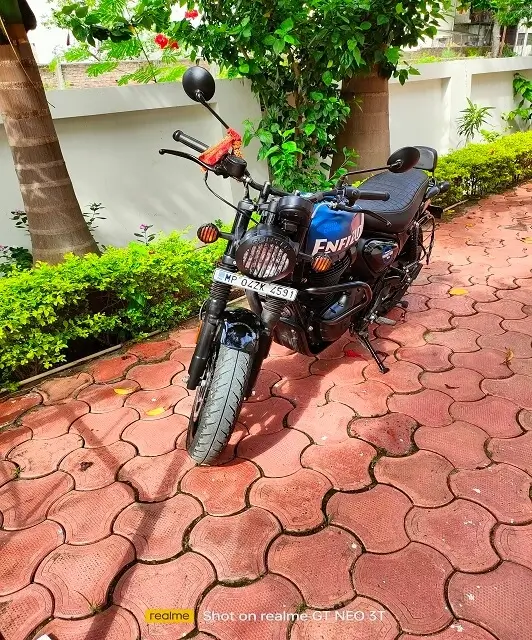
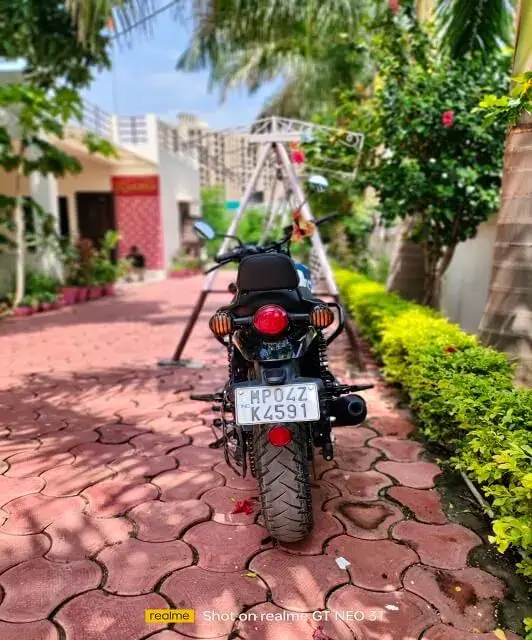
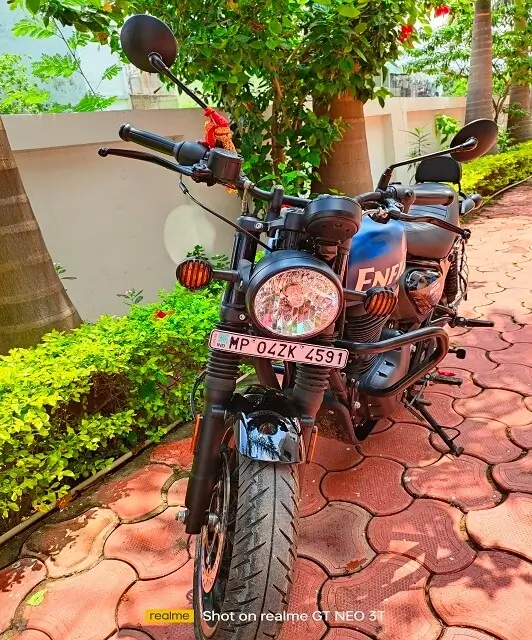
As an avid motorcycle enthusiast, the decision to bring the Royal Enfield Hunter 350 into my collection was one that promised excitement, classic design, and a unique riding experience. Over the months of ownership, I’ve discovered that this motorcycle is more than just a means of transportation; it’s a gateway to unforgettable journeys and a connection to the heritage of riding.
Daily Commuting Performance
“I ride 35 km each way through São Paulo traffic,” says fictional owner Carlos M. “The Hunter just eats it up. Light clutch, easy steering, and I can split lanes without stress. After six months and 8,000 km, zero issues.”
The bike’s narrow profile makes lane splitting feasible where legal. The upright position gives good visibility over traffic. And the punchy low-end torque means you’re never stuck in the wrong gear when gaps open up.
Parking is effortless thanks to the lightweight and tight turning radius. You can tuck the Hunter into spaces that bigger bikes can’t access. The side stand is sturdy and the bike sits stably.
Highway Cruising Capabilities
Highway riding is where the Hunter 350 shows its limitations. At 100-110 km/h, the engine is spinning at 5,500-6,000 rpm, bringing noticeable vibration through the bars and pegs. It’s not unbearable, but on 3-4 hour highway stints, it becomes tiring.
The riding position is comfortable for short highway runs, but lacks wind protection. Without a windscreen, you’re taking the full blast above 90 km/h. Some owners add aftermarket flyscreens, which help significantly.
Overtaking requires planning. You need space and time to build speed. Don’t expect to snap past trucks or slow cars as you would on a more powerful bike. But for relaxed cruising at 80-90 km/h, the Hunter is pleasant.
Service and Maintenance Reality
Royal Enfield recommends service every 6,000 km or six months. Standard service costs run between $60-80 USD globally, depending on location. Parts availability is generally good in markets where Royal Enfield has a presence.
Owners report the J-series engine is reliable. No major mechanical issues plague the Hunter 350. Oil consumption is minimal, and the engine stays mechanically quiet. The clutch is durable, the transmission is solid, and the brakes need pad replacement around 15,000-20,000 km, depending on riding style.
One area to watch is the battery. Some owners report needing replacement around the 2-year mark, especially in hot climates. It’s a standard 12V 8Ah VRLA unit that’s easy to replace.
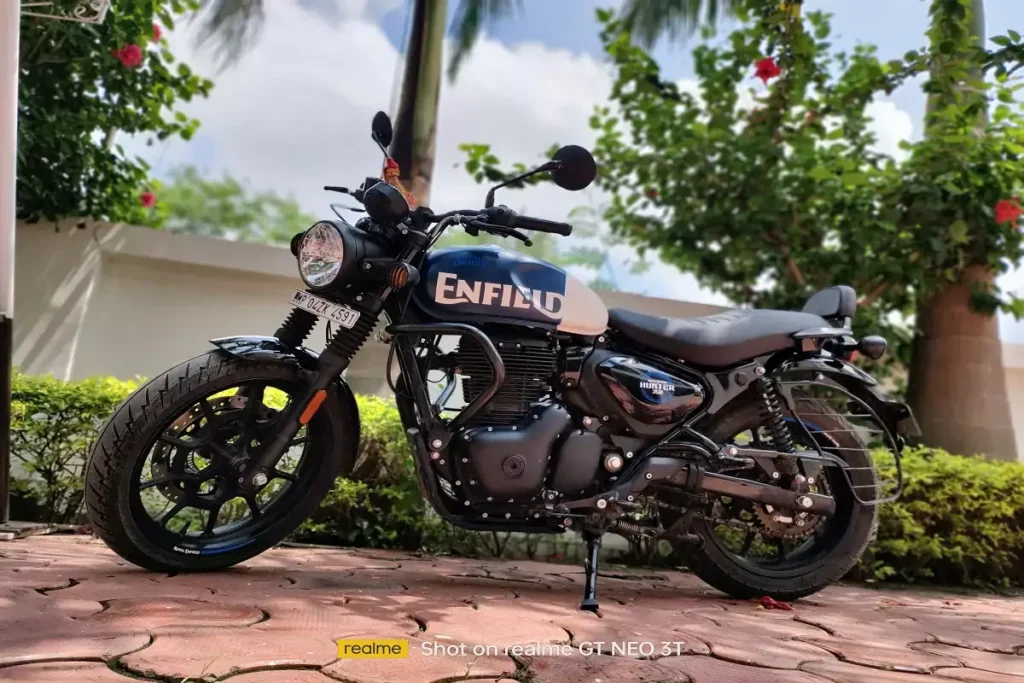
Whether navigating through city traffic or carving through winding roads, the Hunter 350 remains composed. Its upright riding position offers excellent visibility, and the wide handlebars provide precise control. The comfortable seat encourages long rides without fatigue, and the suspension handles different terrains with ease.
Acceleration and Braking
The acceleration figures of 0-80 Kmph in 9.16 seconds and 0-100 Kmph in 16.40 seconds align with the bike’s character – steady and confident. The roll-ons from 30-70 kmph and 40-80 kmph at 6.47 seconds and 8.87 seconds, respectively, showcase its versatility in various riding scenarios.
When it comes to braking, the Hunter 350 exhibits a reassuring performance. The braking distances of 18.13 meters from 60-0 Kmph, 32.08 meters from 80-0 Kmph, and 52.68 meters from 100-0 Kmph demonstrate its ability to come to a controlled stop, enhancing safety during rides.
Ownership Satisfaction
Owning the Royal Enfield Hunter 350 has been a gratifying experience. Its unique blend of heritage-inspired design, modern technology, and dependable performance has truly won me over. The bike’s reliability and the brand’s extensive service network further enhance the ownership experience, instilling confidence on every ride.
I write this ownership review blog after the completion of 1st service at 500 km ride, many readers are worried about the mileage of this storming machine, but not to worry in my case, it is more than 30 kmpl arround 32 – 33 kmpl, which is very stunning for such a powerful 350cc machine offered by Royal Enfield. Other owners also claimed that his/her RE Hunter 350 gave upto 40 kmpl after 2nd service, so let’s see what happens after 2nd service, by the way, it will be after 5000 kms or in 6 months.
Accessory Review: Customization and Upgrades
Essential Accessories
Royal Enfield offers a comprehensive genuine accessories catalog. The Black Octagon Engine Guard ($120) provides crash protection without looking bulky. The Touring Seat ($95) adds cushioning for long rides. The Tinted Flyscreen ($85) deflects wind at highway speeds.
Crash guards work well in low-speed drops. Multiple owners report they saved from expensive damage in parking lot mishaps. The flyscreen genuinely improves comfort above 90 km/h, though it adds visual bulk some riders dislike.
Performance Upgrades
Aftermarket exhausts from brands like SBF and Autologue promise better sound and marginal power gains. They definitely wake up the exhaust note, moving from mellow thump to throaty growl. Performance gains are negligible, maybe 0.5-1 hp, but the audio improvement is real.
Re-mapping the ECU or installing a fuel controller can sharpen throttle response and smooth out the fuel curve. Most riders feel this is unnecessary unless you’ve made significant engine mods.
Touring Enhancements
The Black Soft Pannier Rails ($130) and compatible soft luggage ($180) turn the Hunter into a capable weekend tourer. The Black Rear Rack ($75) adds versatility for strapping gear or mounting a top box.
LED auxiliary lights improve night visibility. Heated grips help in cold climates. USB outlets are standard on 2025 models but aftermarket dual-port chargers add versatility.
Common Problems and Solutions
While the Hunter 350 is generally reliable, a few issues crop up.
Stiff Suspension (Pre-2025 models)
Symptom: Harsh ride over bumps
Cause: Overly firm damping and spring rates
Solution: Upgrade to 2025 progressive springs or aftermarket suspension
Cost: $200-400
Small Mirrors
Symptom: Limited rear visibility
Cause: Design prioritizes style over function
Solution: Replace with larger aftermarket mirrors
Cost: $40-80
Vibrations Above 100 km/h
Symptom: Handlebar and footpeg buzz
Cause: Single-cylinder engine character
Solution: Bar-end weights, engine balancing, accept it as character
Cost: $30-50 for weights
Battery Drain (Rare)
Symptom: Weak cranking, dead battery
Cause: Faulty charging system or parasitic drain
Solution: Check charging voltage, replace battery if needed
Cost: $60-100 for new battery
Most of these are minor and manageable. The 2025 updates addressed the biggest complaint, suspension harshness.
Who Should Buy the Hunter 350 and Who Should Avoid
Buy the Hunter 350 if you:
- Primarily ride in urban environments
- Value heritage and character over raw performance
- Want an accessible, easy-to-ride motorcycle
- Appreciate Royal Enfield’s unique aesthetic
- Need a reliable daily commuter with personality
- Are a new rider looking for manageable power
Skip the Hunter 350 if you:
- Regularly ride long highway distances
- Prioritize maximum performance and speed
- Need serious two-up touring capability
- Want cutting-edge tech and electronics
- Prefer sewing-machine smoothness over thump
- Require aggressive ergonomics
Conclusion
The very essence of the Royal Enfield Hunter 350 encapsulates the brand’s voyage from its historical roots to the realm of modernity. Exhibiting an impeccable fusion of timeless design, groundbreaking technology, and extraordinary prowess, it stands as a homage to tradition while wholeheartedly embracing the requisites of the contemporary era.
Mounting a Hunter 350 transcends mere transportation, morphing into an immersive encounter that spans epochs and captures the exhilaration of traversing the unbound roadways. Riding the Hunter 350 isn’t just about reaching a destination – it’s about enjoying the journey and creating memories that will last a lifetime.
The Royal Enfield Hunter 350 doesn’t try to be everything to everyone. It’s a focused, purpose-built urban roadster that happens to carry 120 years of motorcycling heritage on its tank badge. The 2025 updates address its biggest weaknesses, transforming it from “good with caveats” to “genuinely excellent in its segment.”
For city dwellers who want a bike with soul, manageable performance, and distinctive style, the Hunter 350 hits the mark. It’s not the fastest, not the smoothest, and not the most high-tech. But it’s engaging, characterful, and genuinely fun to ride every single day.
The $4,300 price point offers strong value when you consider build quality, reliability, and the complete package. You’re getting a proper motorcycle that will serve you well for years, not a disposable appliance.
Did You Know? The Hunter 350 sold over 500,000 units in less than 30 months, making it Royal Enfield’s fastest-selling new model ever and proving that modern riders still crave motorcycles with character.
So here’s my take. If your riding centers on urban commuting with occasional weekend rides, and you want something that makes you smile every time you fire it up, the Hunter 350 deserves serious consideration. Test ride one. Feel the thump. Experience the handling. Then decide if this is your kind of motorcycle.
What’s your biggest priority in an urban motorcycle? Power, comfort, character, or value? Drop a comment below and let’s discuss which bike truly fits your riding style.
FAQs
Is the Hunter 350 suitable for new riders?
Absolutely. The Hunter 350 is one of the best beginner bikes available. Its 20.2 bhp power output is manageable but not boring, the 790mm seat height accommodates most riders, the 181 kg weight is light enough to handle confidently, and the upright ergonomics are comfortable for learning. The slipper clutch reduces the learning curve, and the linear power delivery is forgiving of throttle mistakes. Many riding schools use Royal Enfield 350s for training, which speaks to their beginner-friendly nature.
What sets Royal Enfield apart from other motorcycle brands?
Royal Enfield’s rich heritage, distinctive design, and commitment to quality set it apart in the motorcycle industry.
Can the Hunter 350 handle long-distance rides?
Yes, the Hunter 350’s comfortable seating and balanced performance make it well-suited for long journeys.
Are there customization options available for the Hunter 350?
Royal Enfield offers a range of accessories and customization options to make your Hunter 350 uniquely yours.
Is the Hunter 350 good for highway riding?
The Hunter 350 can handle highway riding but it’s not ideal for long distances. It cruises comfortably at 80-90 km/h but vibrations increase above 100 km/h. Lack of wind protection and moderate power make extended highway touring tiring. For occasional highway jaunts or commutes under 50 km, it’s fine. For regular long-distance touring, consider the Meteor 350 or Super Meteor 650.
What is the on-road price of the Royal Enfield Hunter 350?
The on-road price varies by location due to taxes and registration fees. In the USA, expect around $4,500-4,800 out the door. In India, on-road prices range from ₹1.50-1.90 lakh depending on the state. In Europe, the figure is €5,000-5,500 total. Check with your local dealer for exact pricing.